
How to Build a Simple Skincare Routine with Affordable Products
Feeling overwhelmed by all the skincare advice out there? You’re not alone. Many people think you need a ton of fancy, expensive products to get healthy skin, but that’s just not true. You can totally build a great skincare routine without emptying your wallet. We’re going to break down how to create a simple skincare routine using affordable products that actually work. Get ready to simplify your life and love your skin!
Key Takeaways
- A simple skincare routine is often more effective than a complicated one because it’s easier to stick with.
- You don’t need expensive products to achieve healthy, glowing skin; many budget-friendly options are just as good.
- Understanding your specific skin type helps you choose the right products, making your routine more effective.
- The core of any good routine includes a gentle cleanser, a moisturizer, and daily sunscreen.
- Consistency is more important than the number of products you use; sticking to a basic routine yields the best results.
Why a Simple Skincare Routine is Key
Starting a skincare routine can feel overwhelming, especially with all the products out there. But honestly, you don’t need a cabinet full of fancy potions to get healthy-looking skin. Embracing an easy skincare for beginners approach means focusing on what truly matters. This way, you’re not just saving money with affordable skincare steps, but you’re also making sure your skin actually benefits.
Think of it like this:
- Consistency is more important than complexity. Doing a few basic things every day is way better for your skin than doing a lot of things sporadically.
- Less can be more. Overloading your skin with too many active ingredients can actually cause irritation and breakouts, which is the opposite of what you want.
- It saves you time and mental energy. A minimalist skincare routine frees up your mornings and evenings, so you can get on with your day.
A simple, basic skin regimen helps your skin’s natural barrier function better. When you use fewer products, especially those with harsh ingredients, your skin can find its balance. This often leads to less oiliness, better hydration, and a calmer complexion overall.
Sticking to a few core products makes it much easier to be consistent, and that consistency is where you’ll see the real results. You’ll be less likely to skip steps, and your skin will thank you for the gentle, focused care.
Understanding Your Skin Type
Before you start picking out products, it’s super helpful to know what kind of skin you’re working with. It sounds complicated, but it’s really about paying attention to how your skin behaves throughout the day. Knowing your skin type helps you choose products that will actually help, instead of just adding to the problem. It’s like picking the right tool for the job, you wouldn’t use a hammer to screw in a nail, right?
Oily Skin
If your face often feels greasy, especially in the T-zone (forehead, nose, and chin), and you tend to get shine pretty quickly after washing, you probably have oily skin. Pores can also look a bit larger with this skin type, and it’s often more prone to breakouts. The good news is that oily skin tends to show signs of aging a bit later than other types. The key here is to keep things balanced, not stripped.
Dry Skin
Does your skin often feel tight, look a little flaky, or feel itchy? If you notice these things, especially after washing your face, you likely have dry skin. It might feel rough to the touch, and fine lines can sometimes appear more noticeable. Dry skin needs moisture to feel comfortable and look its best. You’ll want to look for products that add hydration and help lock it in.
Combination Skin
This is pretty common, and it means your skin is a mix of types. Usually, you’ll find your T-zone (forehead, nose, chin) is oily, while your cheeks might be normal or even dry. It can be a bit tricky to manage because you have different needs in different areas. You might need to use different products or adjust how you use them depending on which part of your face you’re treating.
Sensitive Skin
Sensitive skin can be a bit more reactive. It might sting, burn, or get red easily after you use certain products or even when exposed to the elements. Sometimes, it’s hard to tell if it’s a specific ingredient or just how your skin is. If your skin reacts easily, you’ll want to be extra careful and choose gentle, fragrance-free products. It’s always a good idea to patch-test new products first. If you’re unsure, talking to a dermatologist can really help you figure out the best approach for your skin
Figuring out your skin type isn’t about labels; it’s about understanding your skin’s unique needs so you can give it the care it deserves. Be patient with yourself as you learn what works best for you. Your skin will thank you for it!
The Core Components of a Simple Routine
Building a skincare routine doesn’t have to be complicated or break the bank. In fact, keeping it simple is often the most effective way to see real improvements in your skin. Think of it like building a solid foundation for a house, you need the right basics before you start adding all the fancy decorations. For your skin, these basics are your non-negotiables.
Cleanser: The Foundation
This is where your routine begins, and it’s all about gently removing the day’s grime, oil, and makeup without stripping your skin. You want a cleanser that leaves your face feeling clean and comfortable, not tight or dry. For many, a simple micellar water in the morning is enough to refresh the skin, followed by a more thorough cleanse in the evening to remove everything that’s accumulated. Finding the right one means looking for formulas that are mild and suited to your skin type. It’s the first step in letting your skin breathe and prepare for what’s next.
Moisturizer: Hydration is Essential
After cleansing, your skin needs a drink! Moisturizer is key to keeping your skin hydrated, which helps maintain its natural barrier and keeps it looking plump and healthy. It doesn’t matter if your skin is oily; even oily skin needs moisture, otherwise, it might overcompensate by producing even more oil. The trick is to find a moisturizer that feels right for you, perhaps a lighter lotion for oily or combination skin, or a richer cream for dry skin. Consistent moisturizing helps your skin feel soft and look its best.
Sunscreen: Your Daily Shield
This is arguably the most important step, and it’s non-negotiable, rain or shine. Sunscreen protects your skin from harmful UV rays, which can cause premature aging, dark spots, and increase the risk of skin cancer. Applying sunscreen every single day is the best thing you can do for long-term skin health. Look for a broad-spectrum sunscreen with an SPF of 30 or higher. It might seem like just another product, but think of it as your skin’s daily bodyguard. You can find great, affordable options that don’t feel heavy or greasy, making it easy to incorporate into your routine. For more tips on building an effective regimen, you might find our Skin Routine Tutorial helpful.
A simple routine with just these three steps, cleanse, moisturize, and protect, can make a huge difference. It’s about consistency and giving your skin what it truly needs without overwhelming it. This approach helps your skin stay balanced and healthy over time.
Affordable Product Recommendations
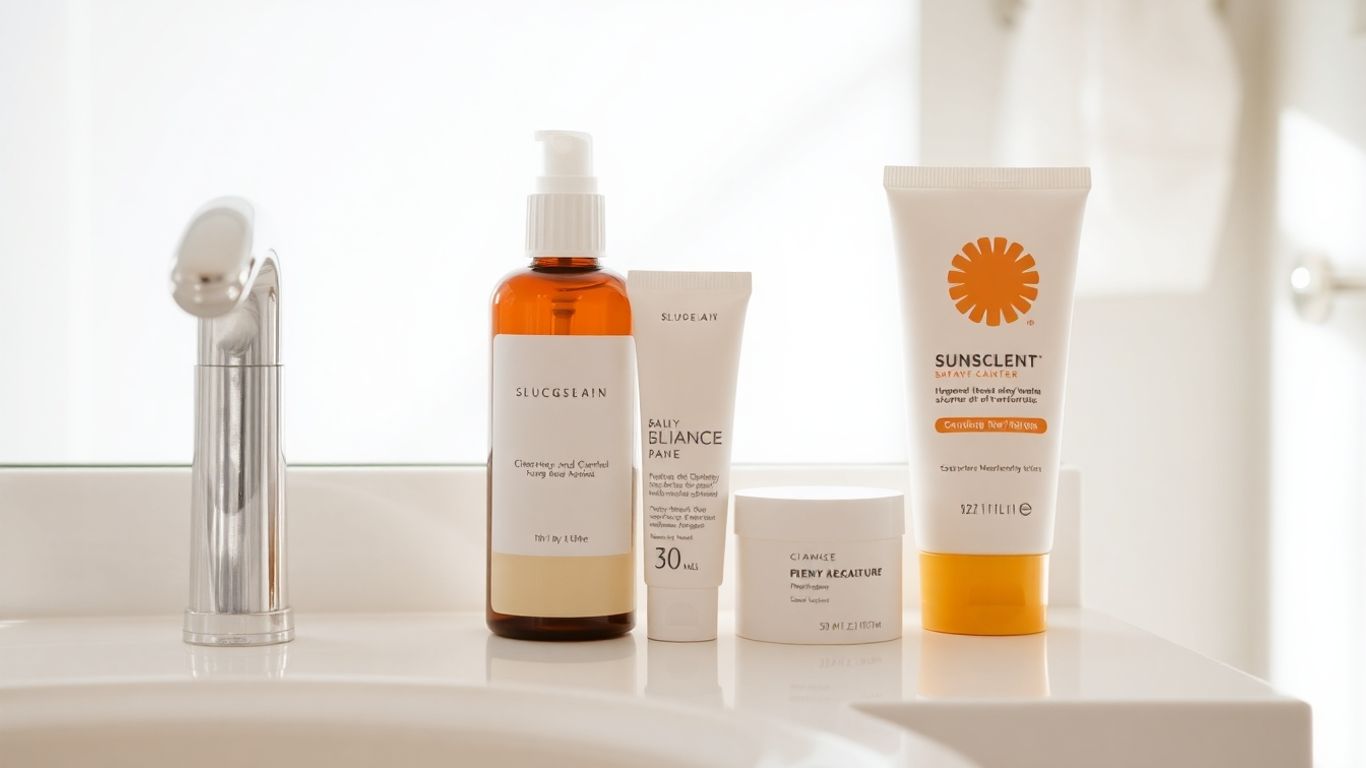
You don’t need to spend a fortune to get great skin. Seriously, there are so many budget-friendly face care options out there that work just as well as the fancy stuff. It’s all about knowing what to look for. Think of it like this: you want products that do their job without breaking the bank.
When you’re shopping, keep an eye out for key ingredients that are known to be effective. Things like hyaluronic acid for hydration, ceramides to support your skin barrier, and niacinamide for brightening are often found in affordable products. You can find these in cleansers, moisturizers, and serums from brands that focus on value.
Here are a few types of products that are usually easy on your wallet:
- Cleansers: Look for gentle, hydrating formulas. Micellar water or simple cream cleansers are often good choices.
- Moisturizers: Gel-based moisturizers are great for oily or combination skin, while richer creams work well for dry skin. Many brands offer fantastic options under $10.
- Sunscreen: This is non-negotiable, and thankfully, there are plenty of effective sunscreens that won’t cost you much. Mineral or chemical options are available at drugstores.
It’s really about consistency and using the right types of products for your skin, not about the price tag. You can build a solid routine with items from places like drugstores or even directly from companies like Xiyan Corporation, which offers a range of personal care items.
Don’t be afraid to try out different brands and see what works best for you. Your skin will thank you for it, and so will your wallet!
Putting It All Together: Morning vs. Evening
Now that you’ve got the basics down, let’s talk about how to actually use these products throughout the day. It’s not as complicated as it sounds, and sticking to a simple schedule will make a big difference for your skin.
Your morning routine is all about protection. Think of it as prepping your skin for the day ahead. You want to cleanse gently, add some hydration, and most importantly, shield your skin from the sun. Even on cloudy days, UV rays can cause damage, so sunscreen is non-negotiable. A simple routine might look like this:
- Cleanse: A quick splash of water or a very gentle cleanser to remove any overnight buildup.
- Moisturize: Apply a lightweight moisturizer to keep your skin comfortable.
- Sunscreen: Your daily shield. Don’t skip this step!
Your evening routine, on the other hand, is about repair and treatment. This is when you can really focus on cleaning away the day’s grime and giving your skin what it needs to recover.
- Cleanse: Use your cleanser to thoroughly remove makeup, dirt, and oil. You might even consider a double cleanse if you wear heavy makeup.
- Treat (Optional): If you have specific concerns like acne or fine lines, this is when you might use a targeted serum or treatment product. Remember to introduce these slowly.
- Moisturize: Apply your moisturizer to lock in hydration and support your skin’s natural repair process overnight. You can use a slightly richer one at night if your skin feels dry.
Consistency is truly the name of the game here. Even with just a few affordable products, doing the same steps every morning and night will yield better results than using a dozen fancy items sporadically. Your skin will thank you for the steady care.
Don’t feel pressured to do too much. The goal is a routine that you can realistically stick with. For more tips on building a great routine, check out Xiyan Corporation’s blog.
Deciding whether to tackle your tasks in the morning or evening can really change your day. Some people feel most alert and focused when the sun comes up, while others hit their stride later on. It’s all about finding what works best for you! To explore more tips on boosting your productivity, visit our website.
Conclusion
Building a solid skincare routine doesn’t have to break the bank. You’ve learned that simple steps like cleansing, hydrating, and moisturizing with affordable products can make a real difference. It’s all about finding what works for your skin and sticking with it. Don’t be afraid to experiment a little with budget-friendly options, you might be surprised at how great your skin can look and feel. So go ahead, give it a try, and enjoy your healthy, happy skin!
Frequently Asked Questions
Can I really create a good skincare routine without spending a lot of money?
Absolutely! You can totally build an effective skincare routine with products that are easy on your wallet. Many great cleansers, moisturizers, and sunscreens cost less than $10. It’s all about picking the right items for your skin type.
What are the most important steps in a simple skincare routine?
The core steps are cleansing your face to remove dirt and oil, moisturizing to keep your skin hydrated, and applying sunscreen every day to protect it from the sun. These three steps are super important for healthy skin.
What kind of cleanser should I use if I have sensitive skin?
If your skin gets easily irritated, look for a gentle cleanser. Products labeled ‘for sensitive skin’ or that are soap-free are usually a good choice. Ones with ingredients like glycerin can also help keep your skin calm and soft.
Is it okay to use a moisturizer even if my skin is oily?
Yes, it’s important to moisturize no matter your skin type! For oily skin, choose a lightweight, oil-free moisturizer. This helps balance your skin and prevents it from producing even more oil to compensate for dryness.
Why is sunscreen so important every single day?
Sunscreen is your skin’s best friend! It protects your skin from the sun’s harmful rays, which can cause wrinkles, dark spots, and even skin cancer. Using it daily is the best way to keep your skin looking young and healthy.
Can I use the same products in the morning and at night?
You can use some of the same products, like a cleanser and moisturizer, both morning and night. However, you’ll definitely want to use sunscreen in the morning. At night, you might add a serum or treatment product to help your skin repair while you sleep.



One comment
Pingback:
Best Hair Routine for Curly, Wavy & Straight - Xiyan Corporation.com