
Best Hair Routine for Curly, Wavy & Straight
So, you’ve been staring in the mirror, wondering why your hair just isn’t cooperating. Maybe it frizzes up the second you step outside, or perhaps it feels limp and lifeless. It turns out, your hair type is a pretty big deal when it comes to getting it to look its best. We’re going to break down how to build a solid hair routine, no matter if you’ve got waves, curls, or pin-straight strands. It’s not as complicated as it sounds, and your hair will totally thank you for it.
 Okay, so before we get into all the fancy products and techniques, we really need to talk about what you’re actually working with. Trying to use a routine meant for super curly hair on straight hair is like trying to fit a square peg in a round hole – it just doesn’t work. Knowing your hair type is the absolute first step to getting hair you love. It’s not about labels, really, it’s about understanding how your hair behaves and what it needs to look and feel its best.
Think about it this way:
Okay, so before we get into all the fancy products and techniques, we really need to talk about what you’re actually working with. Trying to use a routine meant for super curly hair on straight hair is like trying to fit a square peg in a round hole – it just doesn’t work. Knowing your hair type is the absolute first step to getting hair you love. It’s not about labels, really, it’s about understanding how your hair behaves and what it needs to look and feel its best.
Think about it this way:
 So, you’ve got your cleansing, moisturizing, and styling down pat for your specific hair type. That’s awesome! But what about taking things up a notch? There are a few extra steps and considerations that can really make a difference in the long run. Think of these as the VIP treatments for your hair.
Key Takeaways
- Understanding your specific hair type—straight, wavy, or curly—is the first step to a successful hair routine.
- Cleansing and conditioning should be tailored to your hair’s needs, with moisture being a common goal for most types.
- Styling products and techniques play a big role in defining curls, boosting waves, and keeping straight hair smooth.
- Regular deep conditioning and heat protection are important for all hair types to maintain health and prevent damage.
- Scalp health is often overlooked but is vital for overall hair growth and vitality, so don’t forget to give it some attention.
Understanding Your Hair Type: The Foundation of a Great Routine
Okay, so before we get into all the fancy products and techniques, we really need to talk about what you’re actually working with. Trying to use a routine meant for super curly hair on straight hair is like trying to fit a square peg in a round hole – it just doesn’t work. Knowing your hair type is the absolute first step to getting hair you love. It’s not about labels, really, it’s about understanding how your hair behaves and what it needs to look and feel its best.
Think about it this way:
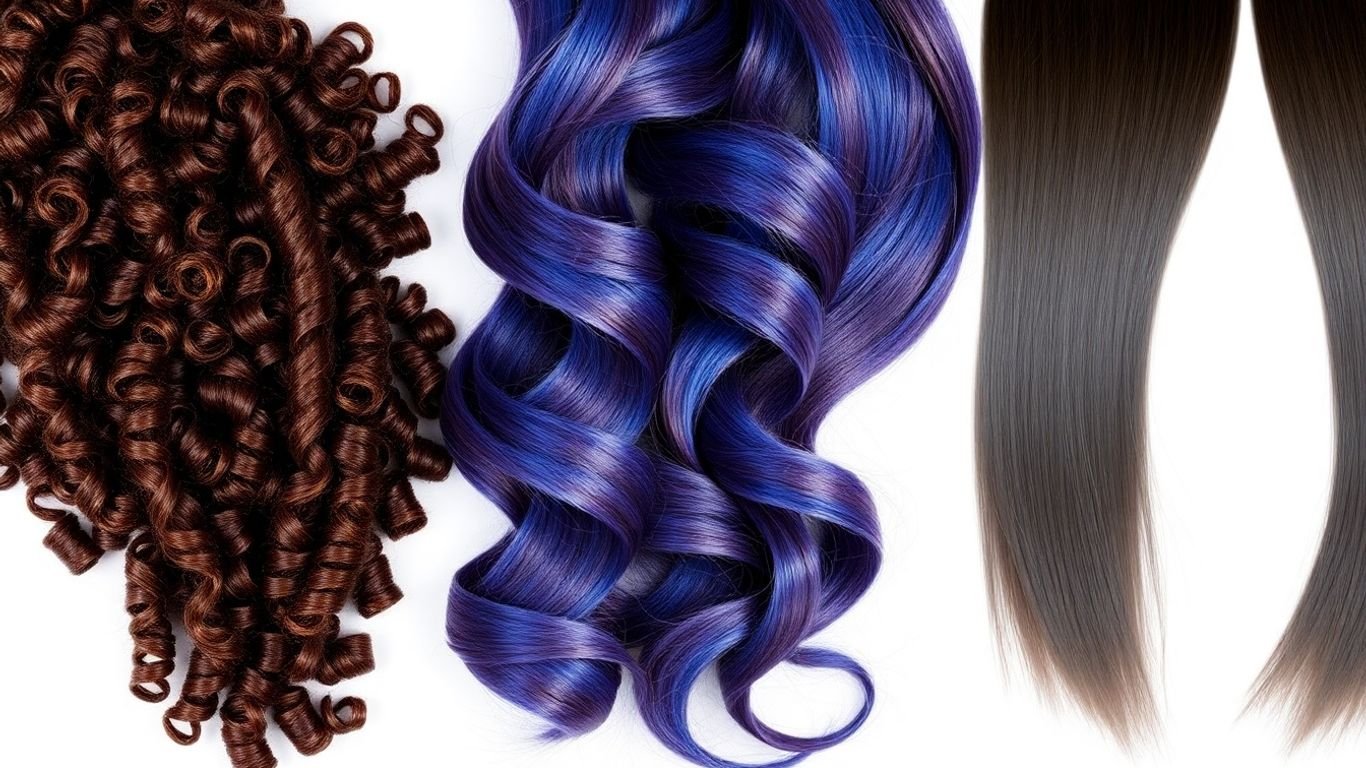
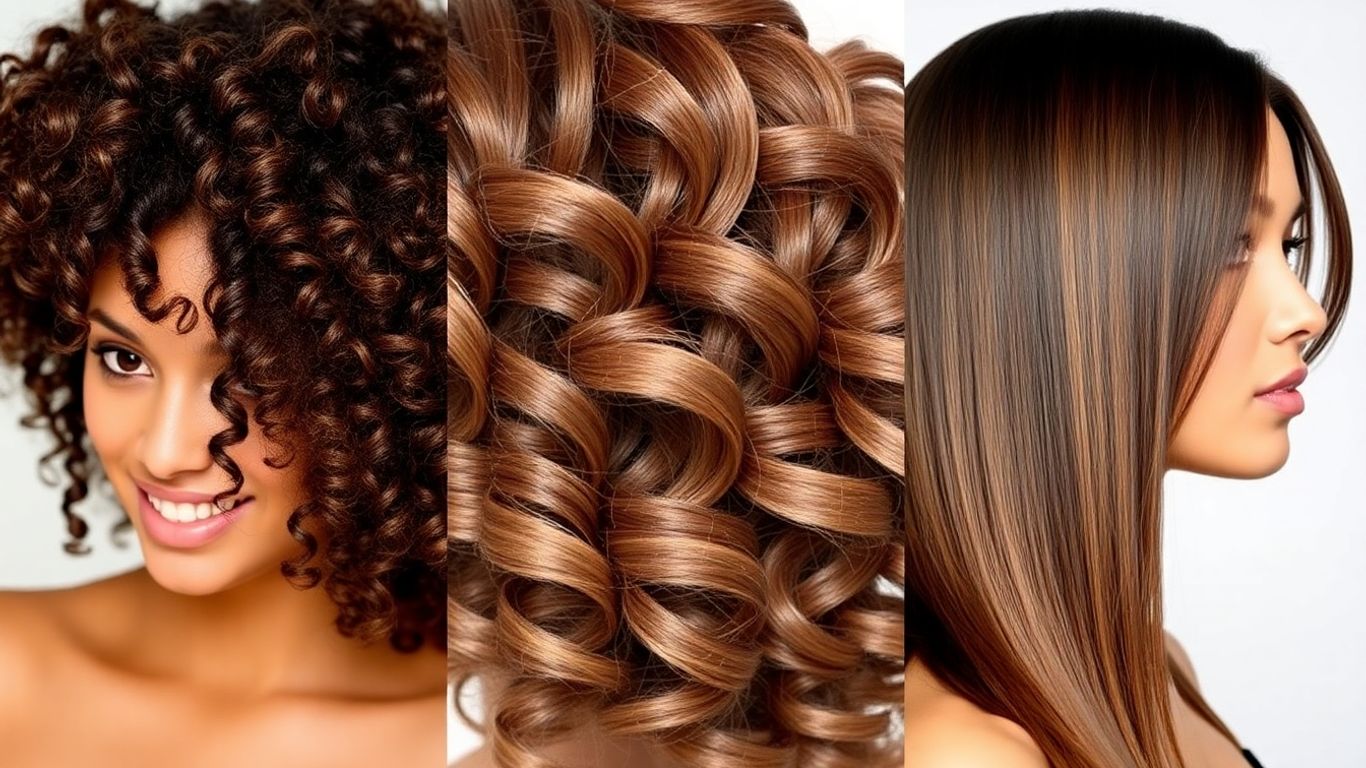
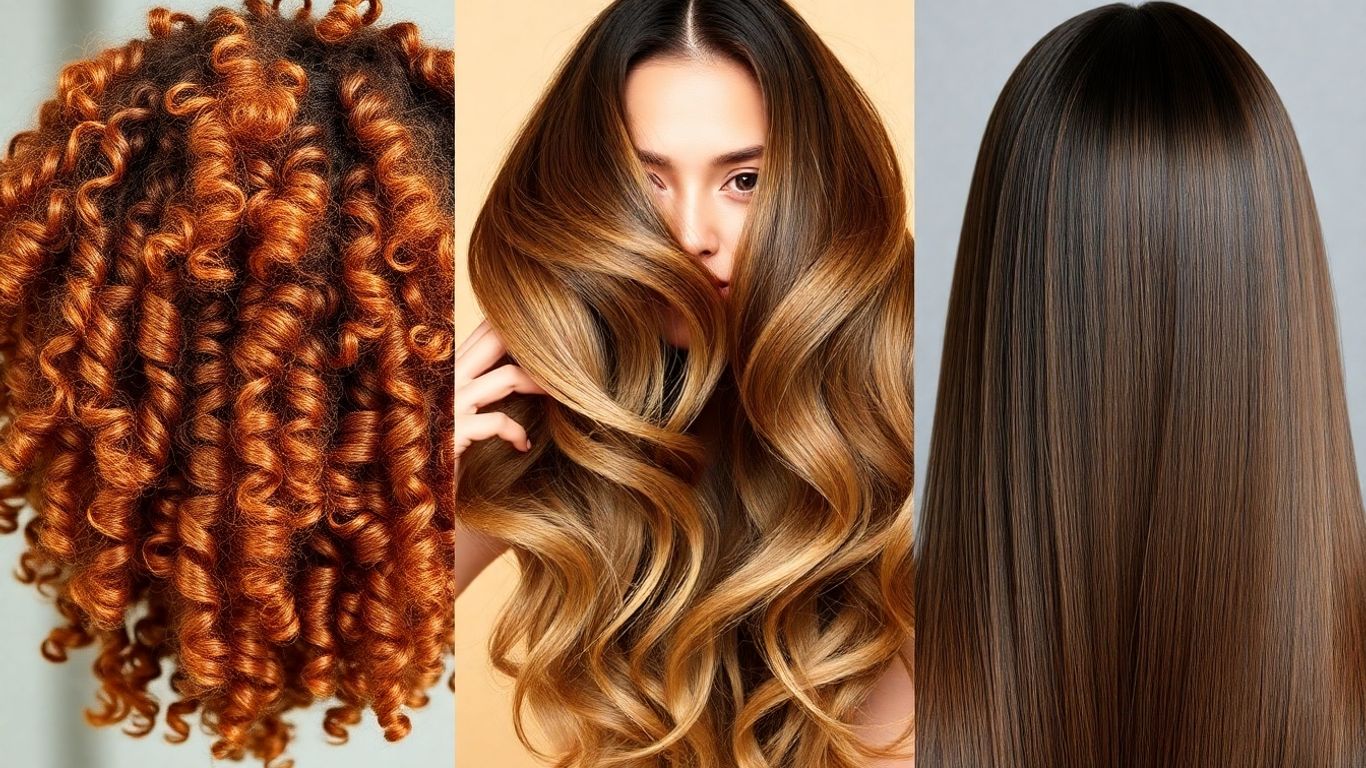
- Straight hair (Type 1): This hair usually has a lot of shine because the oils from your scalp can travel down the hair shaft easily. It can also get oily pretty fast and might struggle to hold a curl.
- Wavy hair (Type 2): You’ve got that gentle ‘S’ shape going on. This type can range from loose waves to more defined ones, but it’s also prone to frizz if you’re not careful.
- Curly hair (Type 3): These are your spirals and ringlets! Curly hair has more volume and definition, but it can also be drier and more prone to tangles.
- Coily hair (Type 4): This hair type has very tight coils or zig-zag patterns. It’s often the most delicate and needs serious moisture to prevent dryness and breakage.
The best way to figure out your type is to look at your hair when it’s clean and air-dried, with no products in it. See how it naturally falls and what shape it takes. Don’t overthink it; just observe. This simple step makes all the difference in choosing the right products and methods.
The Essential Steps for Every Hair Routine
No matter if you’re dealing with bouncy curls, loose waves, or sleek straight strands, there are some core practices that benefit everyone. Getting these basics right is the first step in how to manage different hair types effectively. Think of these as the non-negotiables for healthy, happy hair.Cleansing: Choosing the Right Shampoo and Conditioner
Washing your hair might seem straightforward, but picking the right products makes a huge difference. For most people, a sulfate-free shampoo is a good starting point. Sulfates can be pretty harsh and strip away natural oils, which is especially tough on drier hair types. When it comes to conditioner, think about what your hair needs most. Is it hydration? Volume? Frizz control? Look for ingredients that match those goals. For example, if your hair feels dry, seek out conditioners with shea butter or argan oil. If you have finer hair that gets weighed down easily, a lighter, volumizing formula might be better.- Shampoo Frequency: This really depends on your hair type. Oily hair might need washing every day or two, while wavy or curly hair can often go 3-4 days between washes. Coily hair might only need a cleanse once a week or even less.
- Conditioner Application: Always apply conditioner from the mid-lengths to the ends of your hair. Avoid the scalp if you have oily roots, as this can make your hair look greasy faster.
- Rinsing: Make sure you rinse out all shampoo and conditioner thoroughly. Leftover product can lead to buildup and dullness.
The goal here is to clean your scalp without stripping your hair of its natural moisture. It’s a balance, and finding that balance is key to healthy hair.
Moisturizing: Hydration is Key
Moisture is the universal language of healthy hair. Whether your hair is naturally dry or just needs a boost, keeping it hydrated is super important. This doesn’t just mean using a good conditioner; it also involves using leave-in products and understanding how to lock in that moisture. For curly hair care steps, this often means using creams or oils after washing to seal the cuticle and prevent dryness. For straighter hair, lighter leave-in sprays can add moisture without making it greasy. Think about your hair’s porosity – how well it absorbs and holds moisture – when choosing products.Styling: Products and Techniques
Once your hair is clean and moisturized, styling comes into play. This is where you can really tailor your routine to your specific hair type and desired look. For curly hair, this might involve scrunching in a curl cream or gel to define your pattern and fight frizz. Wavy hair might benefit from a mousse or sea salt spray to encourage texture. Straight hair might need a smoothing serum or a volumizing spray at the roots. The techniques you use are just as important as the products. For instance, avoiding brushing dry curly hair is a common piece of advice to prevent frizz and maintain curl definition. Learning these little tricks can make a big difference in how your hair looks and feels.- Product Application: Apply styling products to damp, not soaking wet, hair for best results, unless a specific technique calls for wet application.
- Technique Matters: Learn how to scrunch, twist, or smooth your hair based on its natural texture.
- Less is More: Start with a small amount of product and add more if needed. Too much can weigh your hair down.
Don’t be afraid to experiment with different products and techniques. What works for one person might not work for another, so finding your personal holy grail items is part of the fun.
Tailoring Your Routine for Curly Hair
Curly hair, with its beautiful spirals and volume, often needs a bit more TLC to stay happy and defined. The key here is moisture, moisture, and then a little more moisture. Without it, curls can turn into a frizzy mess pretty quickly.Curly Hair: Cleansing and Conditioning Strategies
When it comes to washing, think gentle. Sulfates can strip away the natural oils your curls desperately need, so opt for sulfate-free shampoos. Co-washing, which means washing with conditioner only, can also be a great option between shampoos to keep your hair hydrated. Don’t shy away from conditioner; it’s your best friend. Make sure to really work it through your strands, especially the ends. Detangling is best done in the shower with a wide-tooth comb while the conditioner is still in your hair. This helps minimize breakage and makes the process way smoother.- Pre-poo treatments: Before shampooing, apply a nourishing oil or mask to your hair. This creates a protective layer, reducing the stripping effect of the shampoo.
- Gentle cleansing: Use a sulfate-free shampoo or co-wash. Aim to wash only once or twice a week, depending on your hair and lifestyle.
- Deep conditioning: This is non-negotiable. Do it weekly to keep your curls hydrated and elastic.
Curly hair thrives on hydration. Skipping conditioner or using harsh shampoos is a fast track to dryness and frizz. Think of your conditioner as a drink of water for your hair.
Curly Hair: Styling for Definition and Frizz Control
After washing and conditioning, it’s time to style. Applying products to soaking wet hair is a game-changer for curl definition. This helps the products distribute evenly and encourages your curls to clump together. Start with a leave-in conditioner, then layer on a curl cream or gel. Scrunching your hair upwards towards your scalp can help encourage your natural curl pattern and reduce frizz. Finally, let your hair air dry or use a diffuser on a low heat setting. Avoid touching your hair too much as it dries, as this can also lead to frizz.- Apply products on wet hair: This helps with even distribution and curl formation.
- Layer your products: Start with a leave-in, followed by a curl cream or gel for hold and definition.
- Scrunch: Gently scrunch your hair upwards to encourage curl clumps and reduce frizz.
- Dry gently: Air dry or use a diffuser on a low setting, and try not to touch it too much while it dries.
Optimizing Your Routine for Wavy Hair
So, you’ve got waves – that lovely in-between texture that’s not quite straight, not quite curly. It can be a bit tricky to manage, often leaning towards frizz or feeling a bit limp if you don’t treat it right. The key is to embrace and define that natural S-shape without weighing it down. Many people with wavy hair don’t even realize they have it, often trying to force it straight with heat. But trust me, working with your waves is so much better.Wavy Hair: Enhancing Natural Texture
When it comes to washing, think gentle. Sulfate-free shampoos are your best friend here because they won’t strip away all the natural oils your waves need to stay happy. Follow up with a hydrating conditioner, and really work it in. A good trick is the ‘squish to condish’ method – gently scrunching the conditioner into your hair helps define those waves and seal in moisture. After washing, avoid rough towel drying. Instead, gently squeeze out excess water with a microfiber towel or even an old cotton t-shirt. This helps prevent frizz and keeps your wave pattern intact. You might want to try a lightweight leave-in conditioner or a curl cream specifically designed for wavy hair. These products give your waves a little boost and help them clump together nicely.Wavy hair often has a cuticle structure that’s a bit uneven, making it more prone to dryness and frizz. This means moisture is super important. Using products that add hydration without being too heavy will really help your waves look their best.
Wavy Hair: Styling for Volume and Hold
For styling, you want products that give definition and hold without making your hair stiff or greasy. Creams, mousses, or light gels often work well. Apply your chosen product to damp hair – not soaking wet, but definitely not dry. You can scrunch it upwards towards your scalp to encourage the wave formation. If you like to use a blow dryer, definitely use a diffuser attachment. This disperses the air gently and helps dry your waves without messing up the pattern. Start on a lower heat and speed setting. Don’t be afraid to experiment with different wavy hair styling tips to see what gives you the best results. Sometimes, just a little bit of product and gentle scrunching is all you need to bring out your natural texture. Remember, brushing wavy hair when it’s dry can lead to frizz, so try to detangle in the shower with your conditioner still in, using a wide-tooth comb. This is a simple step that makes a big difference in maintaining your wave pattern. Here are a few things to keep in mind:- Use lightweight products that won’t weigh your waves down.
- Apply styling products to damp, not wet, hair.
- Consider diffusing your hair on a low heat setting for extra definition.
- Avoid brushing your hair once it’s dry to prevent frizz.
Perfecting Your Routine for Straight Hair
Straight hair can be amazing, showing off a beautiful shine, but it also means that things like oiliness and flatness can be pretty obvious. Getting your daily hair care for straight hair right is all about balancing cleanliness with keeping that natural smoothness. You don’t want to weigh it down, but you also don’t want it looking greasy by lunchtime.Straight Hair: Cleansing for Shine and Volume
When it comes to washing straight hair, the goal is to get rid of buildup without stripping away all the natural oils that give it that lovely sheen. Using the right shampoo is key here. Look for formulas that are labeled as volumizing or balancing. Sulfate-free options are generally a good bet because they’re gentler.- Shampoo Choice: Opt for lightweight, sulfate-free shampoos. Avoid anything too heavy or creamy, as it can leave straight hair looking flat.
- Conditioner Application: Apply conditioner mainly to the ends of your hair, avoiding the roots. This prevents the scalp area from getting too oily too quickly.
- Rinsing: Make sure to rinse thoroughly. Any leftover product can contribute to greasiness and dullness.
Keeping your scalp clean is super important for straight hair. If your scalp gets oily, it can make your whole head of hair look limp and unappealing. Regular washing, but not too frequent, is the sweet spot.
Straight Hair: Styling for Smoothness and Longevity
Styling straight hair is often about maintaining that sleek look and adding a bit of body if needed. The best products for hair texture in this category are usually light and don’t leave a sticky residue. Dry shampoo is a lifesaver for adding volume between washes and absorbing excess oil.- Heat Protection: Always use a heat protectant spray before blow-drying or using any hot tools. Straight hair can show heat damage easily.
- Lightweight Styling Products: Serums or sprays that offer shine without weight are ideal. Avoid heavy creams or oils near the roots.
- Finishing Touches: A light-hold hairspray can help keep your style in place without making it stiff. For extra shine, a tiny bit of shine serum on the ends can work wonders.
Beyond the Basics: Treatments and Maintenance
So, you’ve got your cleansing, moisturizing, and styling down pat for your specific hair type. That’s awesome! But what about taking things up a notch? There are a few extra steps and considerations that can really make a difference in the long run. Think of these as the VIP treatments for your hair.
Deep Conditioning and Hair Masks
This is where you really give your hair some TLC. Deep conditioning treatments and hair masks are like a spa day for your strands. They go deeper than your regular conditioner to provide intense hydration and repair. For curly and wavy hair, which can be prone to dryness, these are non-negotiable. Aim for a good mask at least once a week. For straight hair, a weekly mask can help with shine and manageability, especially if you use a lot of styling products. You want to look for ingredients that really pack a punch, like shea butter, argan oil, or even protein treatments if your hair feels weak. Consistency here is key to keeping your hair looking and feeling its best.Heat Styling and Protection
Okay, let’s talk hot tools. Blow dryers, curling irons, straighteners – they can be great for styling, but they can also do some serious damage if you’re not careful. It’s like cooking your hair if you don’t use protection. Always, always, always use a heat protectant spray before you even think about turning on a hot tool. Seriously, don’t skip this step. It creates a barrier between your hair and the heat. For straight hair, which can show damage more easily, this is especially important. Even wavy and curly hair can suffer from heat damage, leading to frizz and loss of definition. If you’re looking for products that can help shield your hair, check out options from brands like Xiyan Corporation; they have some solid heat protectants.Scalp Health: An Often-Overlooked Component
We spend so much time focusing on the hair strands themselves, but we often forget about where it all starts: the scalp. A healthy scalp is the foundation for healthy hair growth. Think about it – if the soil isn’t good, the plant won’t grow well, right? You want to keep your scalp clean and balanced. This means regular cleansing to remove buildup from products, sweat, and oils. Gentle exfoliation, maybe once a week with a scalp brush or a specific scalp scrub, can help get rid of dead skin cells and stimulate blood flow. Massaging your scalp can also feel amazing and promote circulation. If you have an oily scalp, you might need to wash more often, while a dry scalp might benefit from more moisturizing treatments. Keeping your scalp happy is a game-changer for overall hair health.Taking care of your scalp is just as important as caring for your hair strands. A clean, healthy scalp environment supports better hair growth and can prevent issues like itchiness or dandruff. It’s a simple step that yields big results.Here are a few things to keep in mind for scalp care:
- Cleanse Regularly: Wash your hair often enough to prevent product and oil buildup, but not so often that you strip your scalp of its natural oils. The frequency really depends on your hair type.
- Exfoliate Gently: Use a scalp brush or a gentle scrub once a week to remove dead skin cells and encourage circulation.
- Massage: Spend a few minutes massaging your scalp during your shower to boost blood flow. It feels good, too!
- Use Targeted Treatments: If you have specific concerns like dryness or oiliness, look for scalp serums or treatments designed to address those issues. Finding the right products for your scalp is similar to building a simple skincare routine; focus on the basics that work for you, like finding a gentle cleanser and a good moisturizer for your skin. This approach works for your scalp too.

Add comment